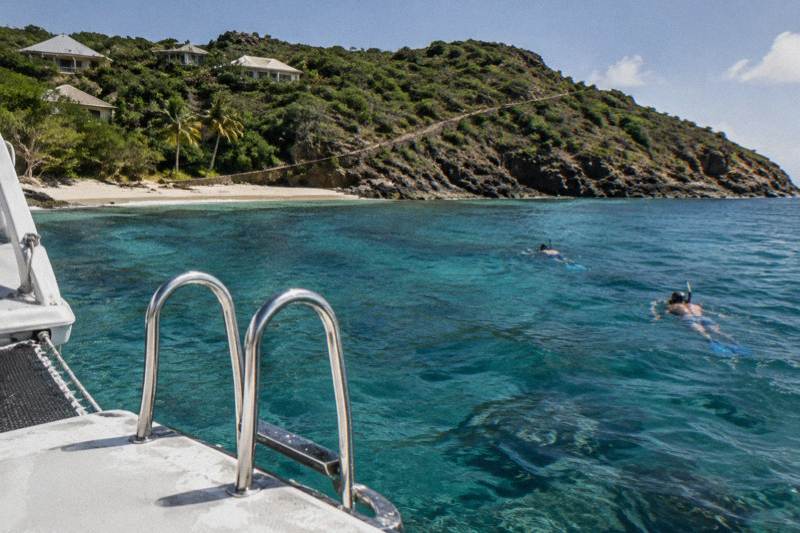
St Barts Marine Reserve Snorkeling Rules
The St Barts marine reserve snorkeling rules explained: the 5 knot limit, the jet ski ban, no gloves, no touching turtles or coral, and what the zones mean for your boat day.
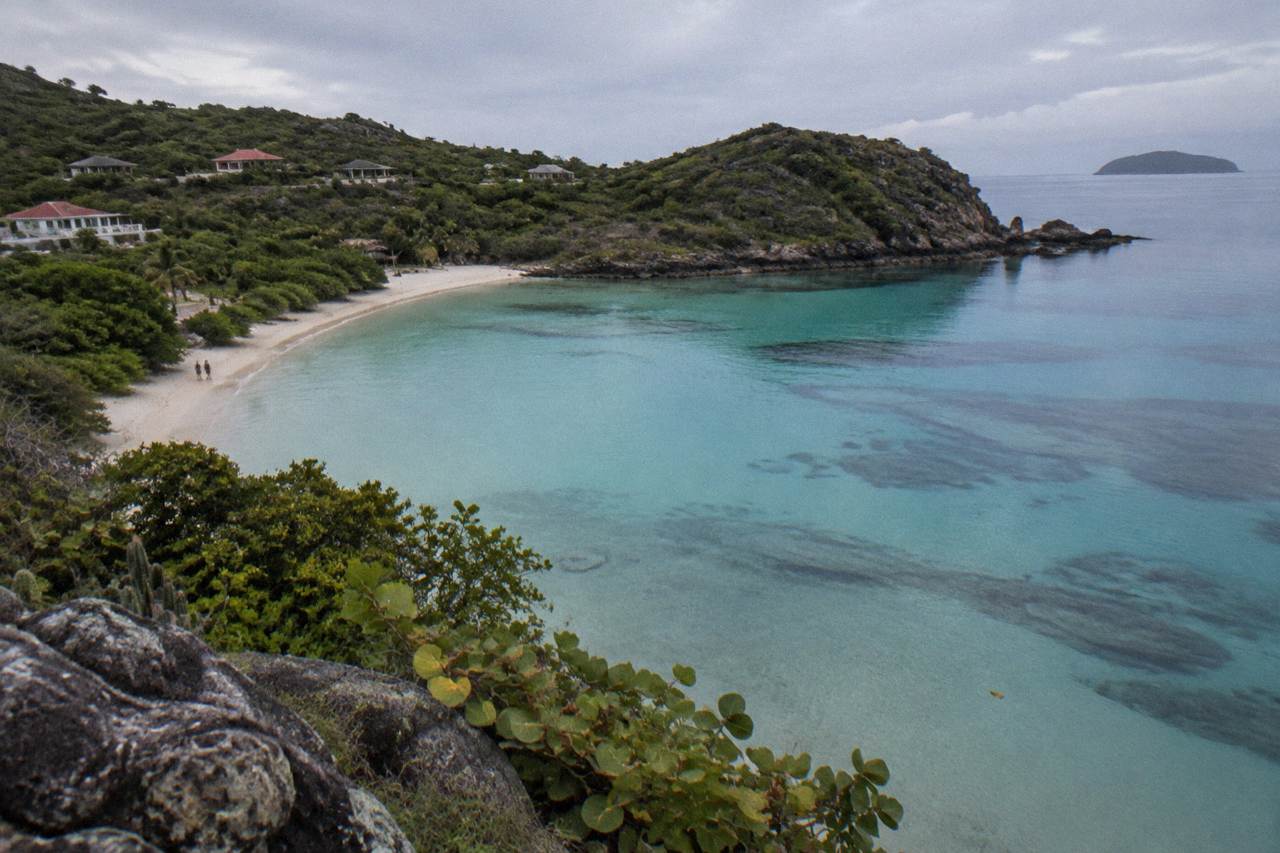
The Réserve Naturelle de Saint-Barthélemy is not a single beach or a roped-off swimming area. It is a layered protected zone covering five areas of water around St Barts, including the bays of Colombier and Fourchue, the islets of Gros Ilets, Pain de Sucre, Toc Vers and Frégate, and the lagoon and reef systems around Grand Cul-de-Sac. Within those boundaries the reserve authority publishes a set of rules that apply to swimmers, snorkellers and every vessel that enters, from a rented paddle board to a private charter, and the rules are unusually specific. Speeds are capped at 5 knots. Jet skis, seabobs and electric surfboards are banned outright. Gloves are banned in the water. Touching a turtle or a piece of coral is banned, and so is taking a shell home.
The St Barts marine reserve snorkeling rules are: a 5 knot speed limit for all vessels in reserve waters, a total ban on jet skis, seabobs, electric surfboards and any thermal or electric propulsion device, no gloves while swimming, no touching protected species such as turtles or coral, and no collecting coral, plants, shells or crustaceans. Dogs, feeding animals and dumping waste are also prohibited. The rules come from the reserve authority's published zone regulations.
Those are the headlines. The detail matters just as much, because the reserve divides itself into zones with different levels of protection, and the rules that feel restrictive on paper are the same rules that keep Colombier and Fourchue worth swimming in. This article walks through the published regulations zone by zone, then connects them to the practical decisions a visitor actually faces: which boat tour to book, where you can anchor, and why certain water sports simply do exist here at all.
One point worth setting out early: only six bookable boat products serve St Barts from this site's roster, and every one of them operates inside or alongside these reserve waters. The group boat day from Simpson Bay, run by Boomerang Boat Charters, stops at Colombier Beach and Ile Fourchue, both named reserve zones. The private charters from St Martin, including the Paper Boat Charter motor trip and the full-day Anse Marcel charter, cross the channel and then slow down the moment they enter protected bays. The reserve is not scenery around the tours. It is the venue.
Where The St Barts Reserve Zones Actually Sit
The reserve covers five zones of water around St Barts, including the bays of Colombier and Fourchue, the islets of Gros Ilets, Pain de Sucre, Toc Vers and Frégate, and the lagoon and reef areas around Grand Cul-de-Sac and Petit Cul-de-Sac with Ilet Tortue and the Grenadins. The authority's brochure maps each zone and assigns it a protection level, either simple or reinforced.
The zoned structure is what makes the reserve work as more than a line on a chart. Simple protection zones, which include Colombier and Fourchue and the listed islets, prohibit collecting coral, plants, shellfish or crustaceans, dumping garbage, feeding animals, bringing dogs onto beaches and creating noise pollution. In the water, the same zones add the glove ban and the prohibition on touching protected species. Fishing is permitted only with a permit, and only from the vessel: no underwater hunting and no shellfish collection at all. Reinforced protection zones stack the same prohibitions on top of a total ban on fishing, anchoring and scuba diving.
For a snorkeller, the practical read is that almost everything you would naturally want to do in the water is fine, and almost everything that damages the reef is not. Floating, swimming and snorkelling are welcome across the simple zones, which is precisely where the boat tours go. The St Barthelemy Tours roster reflects that geography: the group day trip lists Colombier Beach and Ile Fourchue as its stops, and the full-day private charter from Anse Marcel routes through the same stretch of protected water on its way to Gustavia.
The authority's own regulatory page, published by the French Agency for Biodiversity, carries the full zone descriptions in French and English, along with a downloadable brochure with the zone maps.
| Zone type | Where it applies | Key prohibitions | Fishing | Anchoring |
|---|---|---|---|---|
| Simple protection | Colombier and Fourchue bays, Gros Ilets, Pain de Sucre, Toc Vers, Frégate | Collecting, dumping, feeding, dogs, noise, gloves in water, touching protected species | Permit only, from the vessel only, no underwater hunting | Only in Colombier and Fourchue, outside buoy zones, with size limits |
| Reinforced protection | Marked sectors within the reserve | All of the above | Total ban | Total ban |
| Dive sites | 23 marked sites, red square with white diagonal | No gloves, no fishing gear on board, ecological buoys only | Total ban | Buoys only, boats up to 10 tonnes and 15 m, one boat per buoy, 2 h 30 maximum |
| Grand Cul-de-Sac lagoon | Lagoon and 50 m strip | Kitesurf forbidden in the strip, anchoring prohibited in places, 3 knot channel limit | Barbless hooks, no bait, catch and release, permit required, no shark or ray fishing |
If you are planning a snorkelling trip rather than a research project, that table is the whole reserve in four rows. The rest of this article unpacks the rules that most often surprise visitors.
The Five Knot Speed Limit Around St Barts
Every vessel in reserve waters, including the bays, within 100 m of islets, in port areas and inside a 300 m shoreline band, is limited to 5 knots maximum. The limit applies to all boats equally, from private charters to the boats running snorkel stops, and it is the reason approaches to Colombier and Fourchue are slow and deliberate.
Five knots is barely above walking pace for a boat, and the limit changes the character of a trip. A charter crossing from St Martin can travel at speed in open water, but the moment it enters the reserve's boundaries the throttle comes back and the last stretch becomes a slow glide. Guests often read this as the crew being cautious. It is the law of the zone.
The limit also explains part of the rhythm of the tours on the roster. The group boat day from Simpson Bay spends about 7 hours total for its circuit, and a meaningful share of that is unhurried movement between stops inside protected water. The private charters, like the Paper Boat motor charter that runs about 8 hours from Marina Anse-Marcel for from $2,100 per group of up to 8, budget the same slow approaches into their day. A faster boat does not buy a faster itinerary once the reserve line is crossed.
For swimmers the limit is the single most protective rule in the book. Snorkellers around the buoys at Colombier share the water with vessels that are legally required to move at a crawl, which is why the swim stops feel calm even with several boats in the bay.
Why Jet Skis Do Not Exist Around St Barts
Jet skis, seabobs, electric surfboards and any thermal or electric propulsion device are banned in reserve waters. That ban is why no jet ski product exists around St Barts at all: the protected zones cover the island's main bays and snorkelling waters, so there is nowhere for such a tour to legally operate.
Visitors sometimes assume the absence of jet ski rentals is a market gap or a temporary shortage. It is neither. The reserve authority's published rules prohibit the entire category of craft, along with towed sports and underwater hull lighting, and drone flight below 300 m without authorisation. A platform search for jet ski tours around the island returns nothing because there is legally nothing to sell. The same holds for seabobs and electric surfboards, the powered toys common on other Caribbean itineraries.
This is worth knowing before you plan, because it shapes what a St Barts water day can be. The bookable options divide into two kinds: powered boats that carry you between swim stops, and the swimming itself. The roster on this site reflects that split. Five listings are private charters priced per group, from the full-day Anse Marcel charter at from $1,947.52 for up to 10 guests to the overnight catamaran from Grand Case at from $4,816.09 for up to 4. One is the per-person group boat day at from $189 plus a US$20 government fee. None of them, and nothing else legally available, puts a motor in your hands inside the reserve.
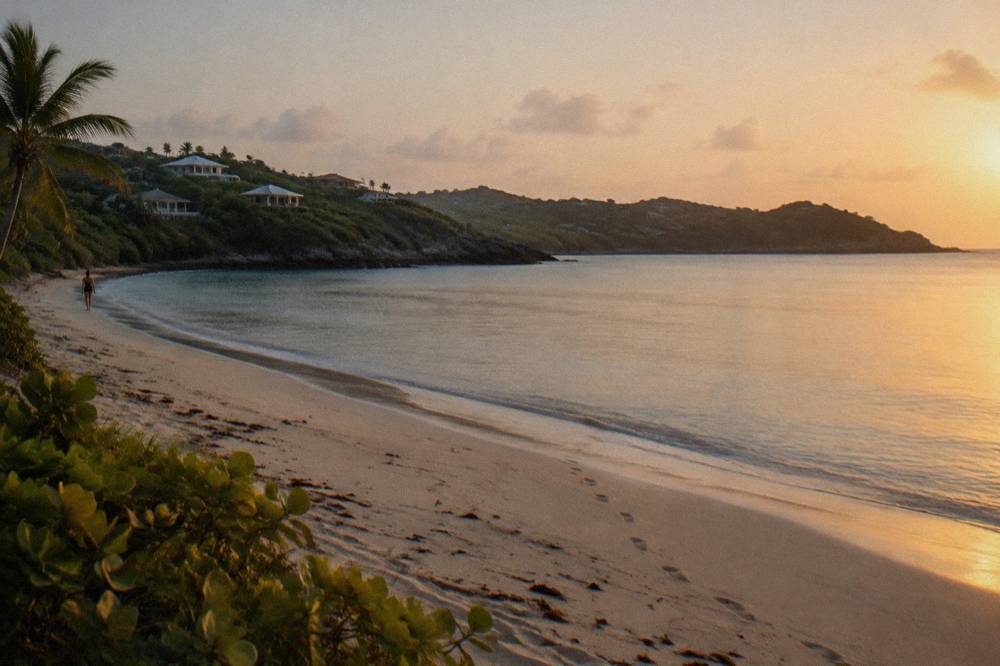
The ban has a quiet second effect. Because the water inside the zones is free of personal watercraft and towed sports, the snorkelling areas stay low-noise and low-wake. Turtles and reef fish in the bays are not being scattered by engines all afternoon, which is one reason the swim stops at Colombier and Fourchue hold up as well as they do, season after season. Nothing here promises a sighting, the reserve itself would be quick to say wildlife is never guaranteed, but the conditions the rules create are the point.
Snorkelling Rules In The Water At Colombier And Fourchue
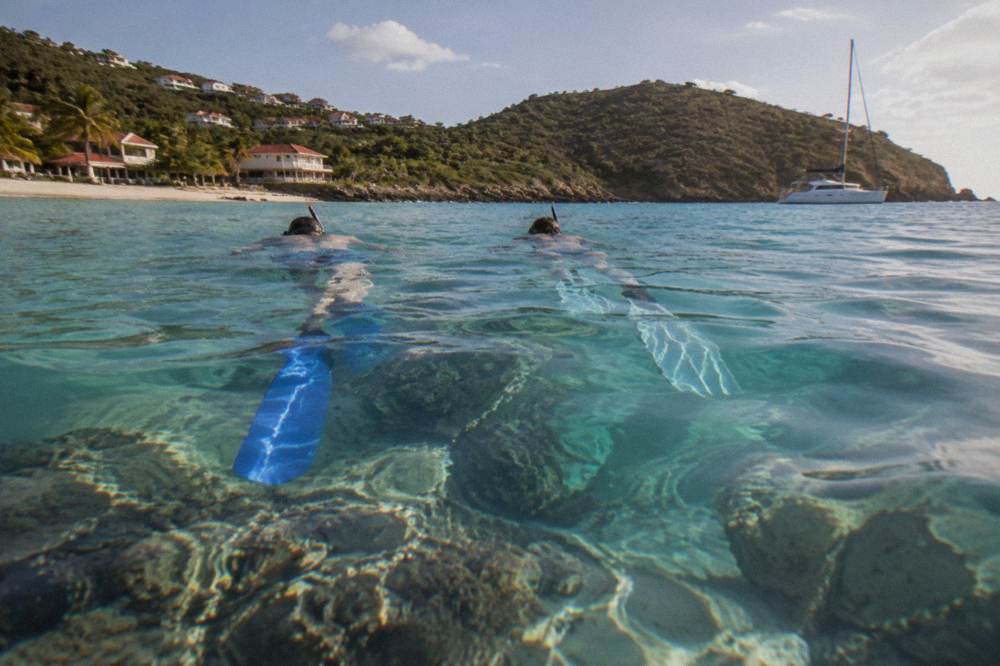
In the water inside simple protection zones the rules are: no gloves, no touching protected marine species such as turtles or coral, no taking coral, plants, shells or crustaceans, and no feeding animals. Snorkelling itself is unrestricted, and the zones exist precisely so that people can swim over healthy reef.
The glove rule surprises people more than any other. It exists because gloves invite grabbing, and grabbing breaks coral. A snorkeller with bare hands is far less likely to hold on to a reef outcrop in a current, and coral that is not touched keeps growing. The same logic sits behind the species rule: a turtle resting near the surface is protected by a regulation with real force, not by etiquette.
Feeding is banned for a related reason. Fed fish change behaviour, aggregate unnaturally and can damage the reef they normally graze across. Fish food, even the kind sold as snorkel-friendly elsewhere, is not permitted in the reserve.
None of this requires special equipment or training. The beginner snorkelling question in St Barts comes up often, and the reserve rules are genuinely beginner-friendly: float, look, keep your hands to yourself. The where to snorkel in St Barts guide covers which bays suit first-timers, and both Colombier and Fourchue, the two stops on the group boat day, are sheltered, buoyed and patrolled. The tour's listing includes snorkelling equipment, life jackets in adult and child sizes, floating noodles and a lily pad, which is the standard kit for relaxed surface swimming rather than diving.
If you want the full rule text rather than a summary, the reserve's official brochure (PDF) sets out every prohibition with the zone maps.
Anchoring And Mooring Rules For Boats In The St Barts Reserve
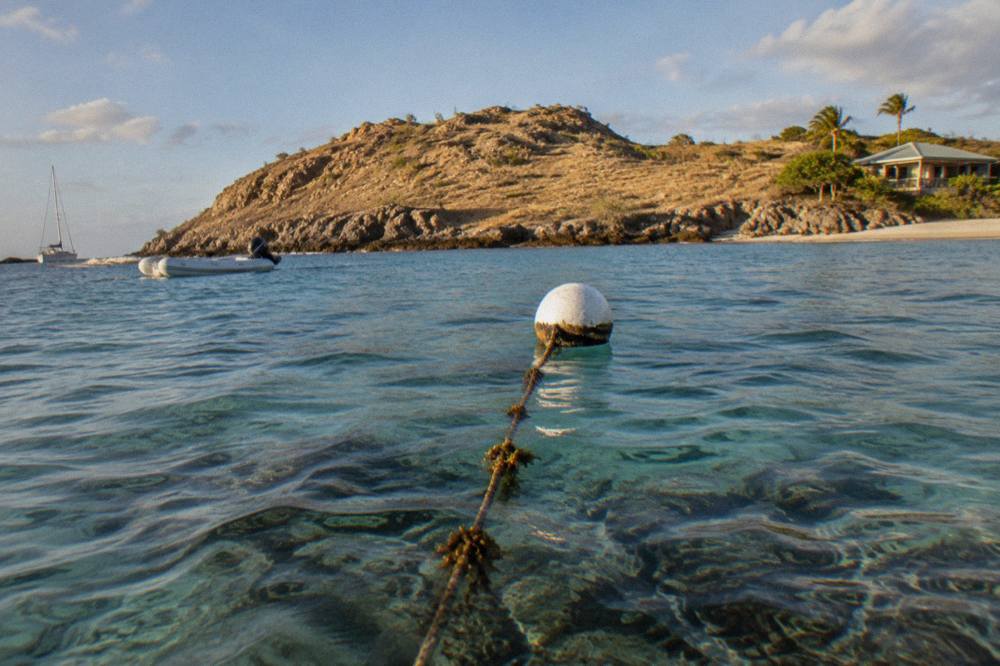
Ecological mooring buoys are advised for vessels up to 20 tonnes and 25 m, with stays of 96 consecutive hours maximum, after which the vessel must leave the reserve for at least 96 hours before returning. Anchoring is authorised only inside Colombier and Fourchue bays and only outside the buoy zones. Vessels over 25 m are not authorised in those bays.
For day-trippers this is invisible logistics, but it explains why the bays look the way they do. Forty ecological buoys across Colombier and Fourchue give visiting boats somewhere to tie off without dropping an anchor on reef, and the size and time caps keep any one vessel from monopolising a buoy. The 96 hour leave-and-return rule stops boats from effectively living in the prettiest anchorages.
At the 23 marked dive sites the limits tighten further: buoys there serve boats up to 10 tonnes and 15 m, one boat per buoy, with a 2 hour 30 minute maximum stay. Sailboats are not permitted at those buoys, and no fishing gear is allowed on board. The red square with a white diagonal painted on the water's edge markers is the signal that a dive site zone has begun.
The practical consequence for a tour is straightforward. A boat like the one running the group day from Simpson Bay arrives, picks up a buoy or anchors legally in the designated part of the bay, and everyone swims from the boat. There is no beaching of large vessels, no anchoring over coral, and no wandering into the reinforced zones. The St Barts boat tour prices guide breaks down what these trips cost across the roster, but the anchoring rules are the same at every price point, because they are the reserve's rather than the operator's.
What The St Barts Reserve Rules Mean For Your Boat Day
The reserve rules translate into three practical realities on a boat tour: slow approaches to every bay, swim stops that are float-and-look rather than touch-and-collect, and no motorised water sports of any kind. Every bookable product around St Barts is built around those constraints, from the $189 group day to the private charters and the overnight catamaran.
Start with the group boat day, the only per-person product on the roster. It runs about 7 hours from the Dinghy Dock Bar in Simpson Bay, Sint Maarten, carries a maximum of 40 guests, and lists lunch, alcoholic beverages, snorkelling equipment, paddle boards, life jackets, noodles and a lily pad among its inclusions. Its operating window is 12 May to 31 August 2027, and the US$20 per person government fee is paid separately from the $189 ticket. Both of its marquee stops, Colombier and Fourchue, are named reserve zones, so the tour's whole shape is a reserve itinerary: one slow entry, a buoy, a long swim, lunch aboard, and a second slow hop to the next bay.
The private options share the same skeleton with more flexibility. The full-day Anse Marcel charter, run by Love Boat Sxm for up to 10 guests at from $1,947.52 per group, spends about 8 hours with stops at St Jean Beach and Gustavia, carrying soda, snorkelling gear, fuel, a paddle board and a floating mat. The listing notes dock fees at St Barthelemy of 40 EUR per boat plus 5 EUR per guest are excluded, along with the slide. The Paper Boat Charter motor trip, from $2,100 per group of up to 8, includes fuel, unlimited beer, wine and soft drinks, a professional guide, snorkelling equipment and a giant floating mat, and is rated 5.0 across 17 reviews, the one listing on the roster with enough reviews to quote a rating from. Its sibling sailboat listing, from $2,000 per group of up to 8 over 7.5 hours, is new and carries no reviews yet.
The overnight catamaran from Zephyr, 2 days and 1 night from Grand Case at from $4,816.09 for up to 4 guests with breakfast, lunch and dinner included, spends a night inside reserve-adjacent water, which makes the 96 hour buoy rules directly relevant to its routing. And the Nikki Beach charter from Cole Bay, from $2,120 per group, adds a round-trip private transfer and an open bar to the same protected swim stops. Six products, one regulatory framework.
A useful planning note: the group day's 12 May to 31 August 2027 window overlaps the start of the Atlantic hurricane season, which runs 1 June to 30 November with a peak from mid-August to mid-October, per the NOAA tropical cyclone climatology page. That is a scheduling fact, not a weather forecast, and free cancellation is listed on the group day and most of the charters, so reserve flexibility exists if a crossing date moves. The best time to visit St Barts guide works through the seasons in more depth.
| Product | Type | Price (USD) | Group max | Reserve relevance |
|---|---|---|---|---|
| Group boat day, Boomerang Boat Charters | Shared group day trip, per person | From $189 plus US$20 government fee | 15 | Stops at Colombier Beach and Ile Fourchue, both reserve zones |
| Full-day private charter, Love Boat Sxm | Private charter, per group | From $1,947.52 | 10 | Slow reserve approaches; dock fees at St Barthelemy excluded |
| Paper Boat motor charter | Private charter, per group | From $2,100 | 8 | Rated 5.0 across 17 reviews; buoy stops inside the zones |
| Paper Boat sailboat charter | Private sailboat, per group | From $2,000 | 8 | New listing, no reviews yet; sailboats excluded from dive-site buoys |
| Nikki Beach charter, Seven Marine | Private charter, per group | From $2,120 | 15 | Reserve swim stops plus transfer and open bar |
| Zephyr overnight catamaran | Private overnight, per group | From $4,816.09 | 4 | Overnight stay governed by the 96 hour buoy rules |
One habit worth adopting from the reserve itself: leave everything where it is. The shell on the beach at Colombier and the piece of coral at Fourchue are both protected by the collecting ban, and the glove rule exists to make sure the reef stays intact for the next boat in. Snorkelling here works best as pure observation, and the tours are designed around exactly that.
Common Questions About The St Barts Marine Reserve
St Barts Marine Reserve Snorkeling Rules
The core rules are a 5 knot speed limit for all vessels, a total ban on jet skis, seabobs, electric surfboards and any thermal or electric propulsion device, no gloves in the water, no touching protected species such as turtles or coral, and no collecting coral, plants, shells or crustaceans. Dogs, feeding animals and dumping waste are also banned. Snorkelling itself is unrestricted in the simple protection zones.
Can You Swim And Snorkel Inside The St Barts Marine Reserve?
Yes. Swimming and snorkelling are welcome across the reserve's simple protection zones, which include Colombier and Fourchue bays and the listed islets. The bans cover touching and collecting, not floating and looking. Every boat tour stop in these bays is a reserve swim stop.
Why Are There No Jet Ski Tours In St Barts?
The reserve authority bans jet skis, seabobs, electric surfboards and any thermal or electric propulsion device in reserve waters. Since the protected zones cover the island's main bays and snorkelling areas, there is nowhere a jet ski tour could legally operate, which is why no such product exists on any booking platform.
Are Mooring Buoys Free To Use In Colombier And Fourchue?
The reserve's published rules set buoy use limits, vessels up to 20 tonnes and 25 m with 96 consecutive hours maximum and 96 hours away before returning, but no fee amount in euros is confirmed on the official pages, so none is quoted here. Day tours handle buoys and anchoring as part of their own operations.
Do The Reserve Rules Apply To Private Charters Too?
Yes, equally. The 5 knot limit, the anchoring restrictions and all in-water prohibitions bind every vessel, including the private charters on this site's roster. A charter's crew manages buoy pickup, legal anchoring and swim-stop conduct inside the zones.
Can I Take A Shell Home From A St Barts Beach?
No. Taking coral, plants, shells or crustaceans is prohibited throughout the reserve's zones. The rule applies to beaches and in the water alike, and it is one of the few prohibitions that applies to a walker on shore as much as to a snorkeller.