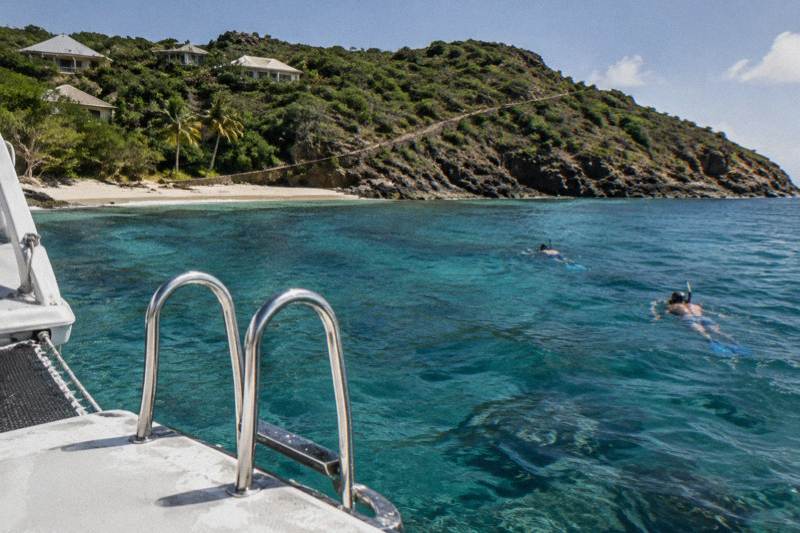
What To Wear And Pack For A St Barts Boat Tour
Most of what people pack for a St Barts boat day is already on the boat. The listings spell out exactly what is included and what is excluded, and the marine reserve adds a few rules of its own. Here is the packing list built from those sources.
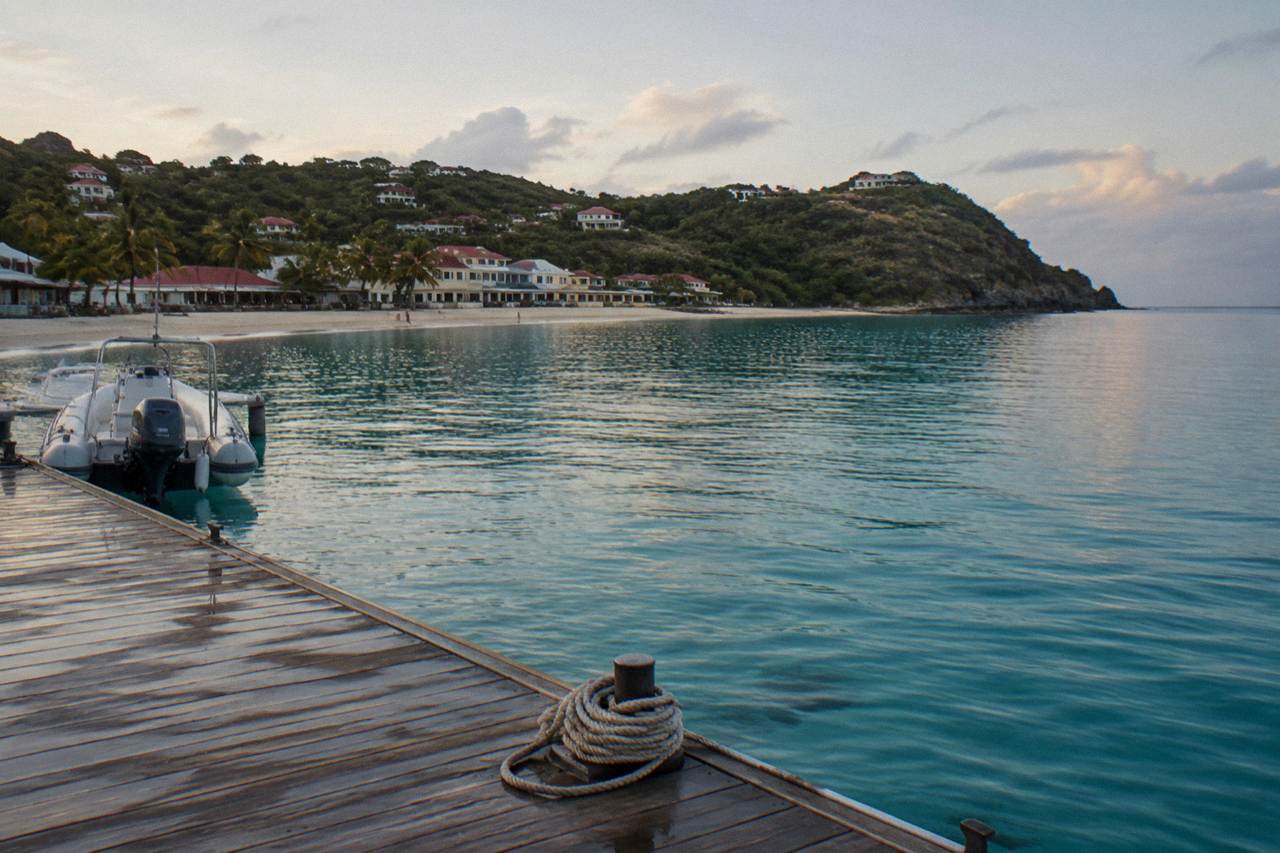
Short answer
Bring a towel, reef-conscious sunscreen applied before boarding, a dry layer, and cash for fees and tips. The group boat day from Simpson Bay includes lunch, drinks, snorkel gear, paddle boards and life jackets but excludes towels. Private charters from St Martin include drinks and gear but exclude dock fees and most meals.
Only six bookable boat products exist around St Barts, and their listings are unusually specific about what is on board. The group boat day out of Simpson Bay includes lunch, alcoholic beverages, snorkelling equipment, paddle boards, life jackets in adult and child sizes, floating noodles and a lily pad, and it excludes exactly one thing you will genuinely miss: towels. The private charters out of St Martin each list their own mix of drinks, gear and excluded fees. Rather than guess at a generic beach packing list, this guide from St Barthelemy Tours works through what the listings actually say, what the Réserve Naturelle rules add, and what that means for what you wear and carry.
The question most people actually type before one of these trips is narrower: what to wear on a boat tour st barts. The short answer is a swimsuit under light clothing, something that dries fast, and shoes that can come off at the gangway. The longer answer, including seasickness practicalities and reserve rules on gloves and gear, is below. If you are still choosing between a group day and a private charter, the St Barts boat tour comparison covers the trade-offs, and the price guide breaks down the numbers.
What To Wear On A St Barts Boat Tour
The practical outfit is a swimsuit worn under quick-drying clothing, with a light cover-up for the wind on the crossing, a hat that fits snugly, and flat shoes you can slip off on deck. Sunglasses on a retainer, hair tied back, and nothing you would be upset to get salt on. That outfit works on the group day from Simpson Bay and on every private charter on the roster.
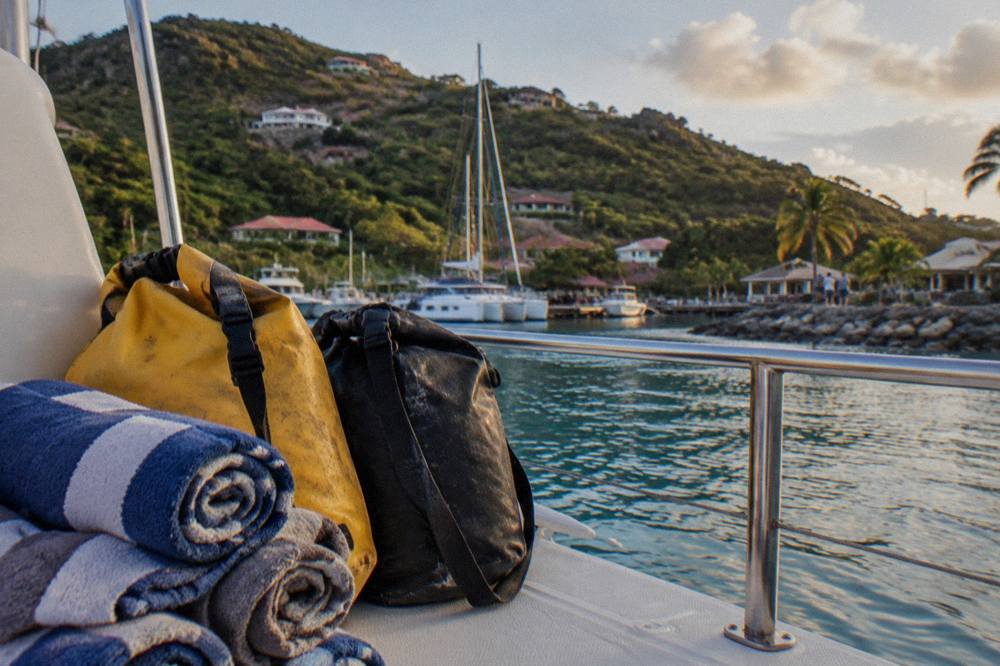
Think in layers because the day has three distinct climates. The crossing from St Martin or Sint Maarten to Gustavia is open water and wind, and a wet swimsuit that felt fine in the marina feels cold at speed. A shirt you can pull on and off is the single most useful garment of the day. At anchor in Colombier or Fourchue the sun is direct and shade is limited, so a hat with a retention cord beats a cap that goes over the side, which is a story every crew can tell.
Footwear is simpler than people expect. You will board in the marina, usually step onto a wet deck, and spend most of the day barefoot once the boat is anchored. Flip-flops or slip-ons for the dock, and a pair that does not mind salt water, are enough. Avoid anything with dark soles that could mark the deck on a private charter; crews mention this more than you would think.
For clothing materials, avoid heavy cotton, which stays wet and heavy all day, and favour anything sold as quick-drying. A long-sleeved light shirt does double duty: sun cover at anchor and wind cover underway. If your trip is the overnight catamaran, the same logic extends to a dry change of clothes for the evening and a second for the following day, since the listing includes breakfast, lunch and dinner but says nothing about laundry.
| Item | Why it earns its place | Notes for the group day |
|---|---|---|
| Swimsuit worn under clothes | You board ready; no changing cabin | Boarding at the Dinghy Dock Bar, Simpson Bay |
| Quick-dry shirt or cover-up | Wind on the crossing, sun at anchor | Two is not excessive for 7 hours |
| Hat with retention cord | Shade is limited at anchor | A cap that fits in a pocket works |
| Polarised sunglasses | Glare off the water is constant | A retainer strap is cheap insurance |
| Slip-on shoes | Decks are barefoot territory | Needed for the dock, not the boat |
| Dry change for the ride home | Salt and sunscreen on the return | The listing excludes towels, bring your own |
The group boat day that anchors at Colombier Beach and Ile Fourchue runs about 7 hours and includes floating noodles, a lily pad and paddle boards, which means a lot of in-and-out of the water. Whatever you wear will get wet early and often. The full-day private charter out of Anse Marcel, about 8 hours with stops at St Jean Beach and Gustavia, adds walking time ashore in Gustavia, so the cover-up and shoes get used twice.
What The Listings Include So You Do Not Have To Carry It
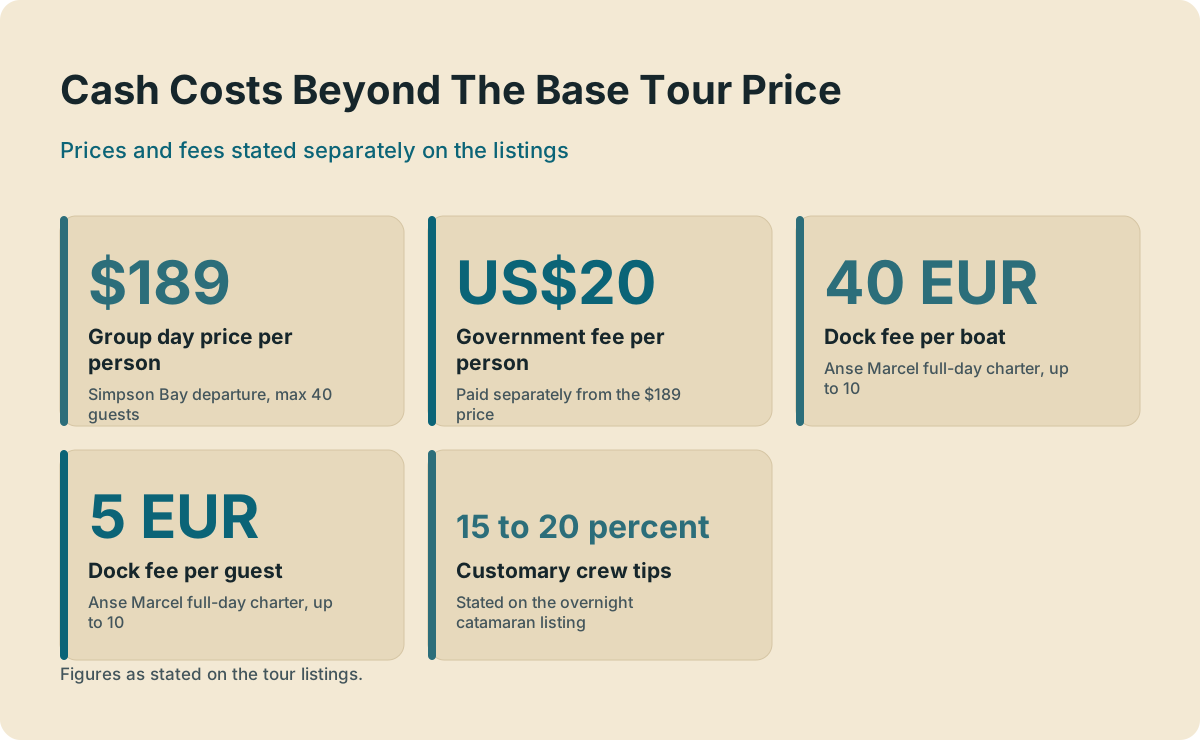
The group day includes lunch, alcoholic beverages, snorkelling equipment, paddle boards, life jackets in adult and child sizes, floating noodles and a lily pad, and excludes gratuities, towels and private transportation. The private charters include drinks and gear but each excludes different fees: dock fees of 40 EUR per boat plus 5 EUR per guest on the Anse Marcel charter, customs clearance fees on the Nikki Beach trip, crew tips of 15 to 20 percent customary on the overnight catamaran.
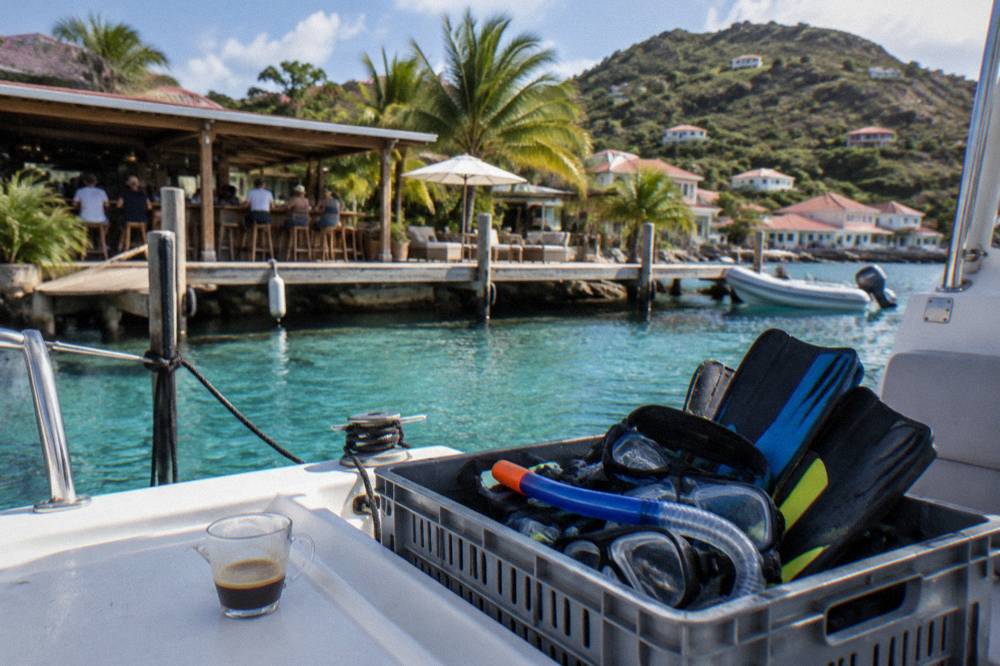
This is where most overpacking happens. People bring snorkel sets and paddle accessories to boats that already carry them. Across the six listings on the roster, the pattern is consistent: gear is included, consumables are mostly included, and the exclusions are the things that cost money at the dock or the end of the day.
| Listing | Included (as stated) | Excluded (as stated) |
|---|---|---|
| Group day, Simpson Bay, max 40 | Lunch, alcoholic beverages, snorkel gear, paddle boards, life jackets (adult and child), noodles, lily pad | Gratuities, towels, private transportation |
| Full-day charter, Anse Marcel, up to 10 | Soda, snorkel gear, fuel, paddle board, floating mat | Dock fees at St Barthelemy (40 EUR per boat plus 5 EUR per guest), the slide |
| Paper Boat charter, up to 8 | Fuel surcharge, unlimited beer, wine and soft drinks, guide, snorkel gear, giant floating mat | Lunch, gratuities |
| Nikki Beach charter, max 15 | Round-trip private transfer, guide, open bar, beers, sodas, snacks, bottled water | Gratuities, customs clearance fees |
| Overnight catamaran, up to 4 | Breakfast, lunch, dinner | Lunch in Gustavia, crew tips (15 to 20 percent customary) |
| Sailboat charter, up to 8 | Open bar, snacks | Not stated beyond that |
Read that table once before you pack and your bag gets smaller. Towels are the headline gap: excluded on the group day, and not listed as included on any of the six. A quick-dry towel per person is the single most useful thing in your bag.
Cash and cards deserve their own thought. The group day adds a government fee of US$20 per person paid separately from the $189 per person price. The Anse Marcel charter's dock fees are quoted in euros on the listing. Tips are customary on most trips, with the catamaran listing stating 15 to 20 percent explicitly. A card and some cash in both currencies covers every fee the roster names, and nothing else on the listings requires a specific payment method.
One planning note that matters more than any clothing choice: the group day operates 12 May to 31 August 2027, per the listing. If your travel dates fall outside that window, the year-round options are the private charters, and the packing differences between a group day and a charter are mostly about food (lunch included on the group day, excluded on several charters) and towels. We compared the listings side by side for the St Martin to St Barts day trip guide, which covers the crossing itself.
Between those three options the packing list barely changes, which is the point: pack for the sea and the sun, not for the specific boat.
Sunscreen, Gloves And The Marine Reserve Rules That Affect Your Bag
The reserve bans taking coral, plants, shells or crustaceans, wearing gloves in the water, dogs, dumping and feeding animals, and touching protected species such as turtles or coral. Jet skis, seabobs and electric surfboards are banned outright. Specific reef-safe sunscreen rules are not confirmed, so follow the operator's guidance and the reserve's published rules rather than an internet checklist.
The Réserve Naturelle covers five zones, including the bays of Colombier and Fourchue, which is exactly where the boats on this roster anchor. The rules are published by the reserve authority and they shape your bag in concrete ways. Gloves, even thin ones, stay home: they are banned in the water because they invite handling of coral and turtles. Leave the mesh bag for collecting shells too, since collecting is prohibited. The full zone rules are on the agency's regulatory zones page.
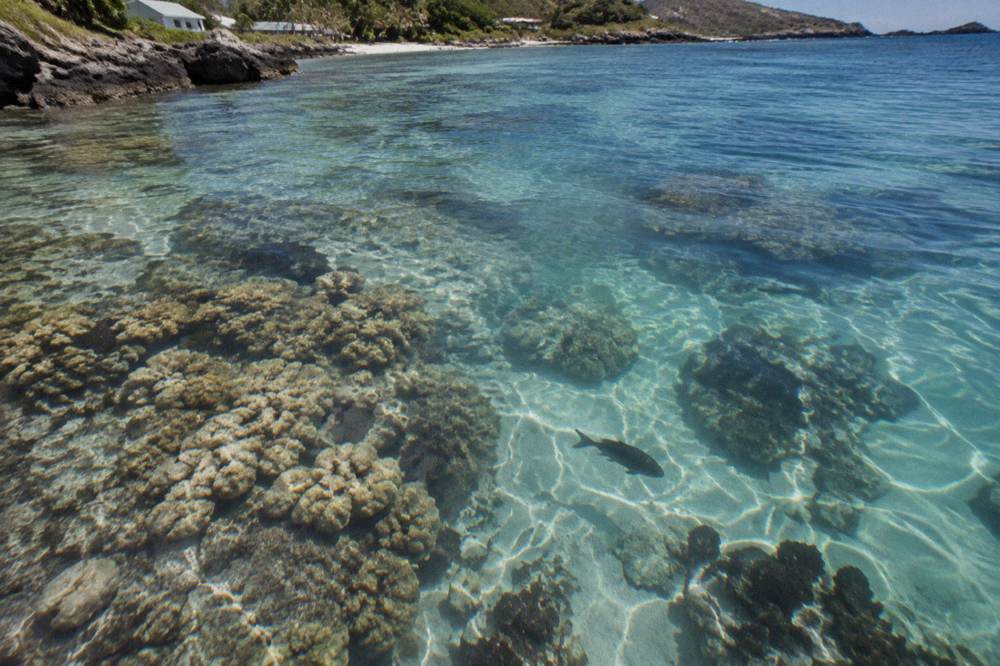
Sunscreen is the honest gap in the confirmed record. The reserve's published rules do not mention a sunscreen rule, so the defensible advice is practical rather than regulatory: bring a sunscreen you trust, apply it before boarding and reapply at anchor, and if the operator or crew asks for a specific type, follow that instruction. A rash guard or swim shirt does the work of a second application without any debate, which is why it earns a place on the list ahead of any product claim.
Speed and propulsion rules matter if you were imagining extras. The reserve caps speed at 5 knots in its waters, and jet skis and any thermal or electric propulsion device are banned, which is why no such product exists on any listing around St Barts. If your bag has a plan for towed inflatables or a seabob, drop it. What the boats do carry is snorkel gear and floating mats, and what you carry is the restraint not to touch what you swim over.
| Reserve rule | What it removes from your bag |
|---|---|
| No gloves in the water | Gardening or dive gloves, even thin ones |
| No taking coral, plants, shells, crustaceans | Mesh collecting bags, shell pockets |
| No dogs | The dog, obviously |
| No feeding animals | Fish food, bread for chumming |
| No touching turtles or coral | Nothing to pack, everything to practise |
| No jet skis or propulsion devices | Any plan that assumed renting one |
The five-knot limit and buoy rules are the crew's problem, not yours, but one detail is worth knowing as a passenger: ecological mooring buoys are advised for vessels up to 20 tonnes and 25 m with stays of up to 96 consecutive hours. If you are on the overnight catamaran, that limit is part of why the itinerary moves. For a day trip it is trivia; for two days it explains the rhythm. The marine reserve explainer goes deeper on the zones.
Seasickness, Sun And Practical Comfort On The Crossing
General practical advice, not medical guidance: take whatever motion-sickness measure you normally use before departure rather than after the boat is moving, sit mid-ship where motion is least, watch the horizon, keep hydrated, and go light on a heavy breakfast. No product on the roster is claimed to prevent or treat anything, and sea state between St Martin and St Barts varies with conditions no listing can promise.
The crossing is the part of the day people pack anxiety for. The honest framing is that the sea between St Martin and St Barts is open water, its state changes day to day, and nobody can tell you in advance what yours will be. What you control is timing: whatever remedy you personally use, the standard advice is that it works better before the motion starts. The crew cannot fix it mid-channel. If this is your main worry, how rough the sea is between the islands covers what is known without promising conditions.
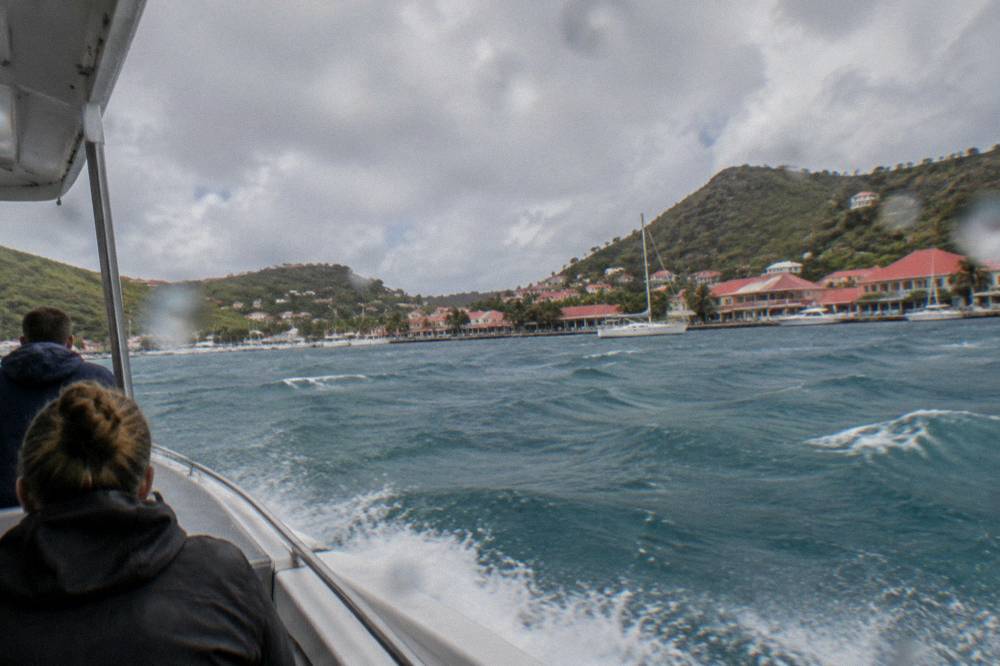
Beyond that, comfort is thermal. Average monthly highs on the island run from 28.5 C in January to 31.7 C in September, with lows from 23.3 C in February to 26.3 in August, per Meteo-France's 1991 to 2020 normals for the St Barthelemy station. On the water, the wind on the crossing can make those lows feel cooler than the numbers suggest, which is the argument for the layer again. Rainfall is lightest in February at 38.4 mm and heaviest in October at 135.6 mm, so a light packable rain shell earns its place mainly outside the dry January-to-April stretch. The climate normals are published by Meteo-France.
One calendar note the packing list cannot solve: the group day's operating window, 12 May to 31 August 2027, overlaps the start of the Atlantic hurricane season, which runs 1 June to 30 November with a peak from mid-August to mid-October, as NOAA's climatology page describes. That is a fact about seasons, not a forecast for your date, and free cancellation is listed on the group day, which is the practical answer to a weather question nobody can settle in advance.
| Comfort item | When it matters most |
|---|---|
| Motion-sickness remedy you already use | Taken before departure, mid-ship seat |
| Packable rain shell | July to November, the wetter months |
| Warm-ish dry layer | The crossing, any month |
| Water bottle | Charters list bottled water; the group day lists drinks; extra never hurts |
| Dry bag or zip bag | Phone, documents, one card |
| Reapply-able sunscreen | Anchored hours, midday |
Documents belong in the dry bag, not in a beach tote. Every passenger on the Great Bay Express ferry needs a passport, and the same rule of thumb is sensible for a private charter that clears into St Barthelemy, where customs clearance fees are excluded on the Nikki Beach listing. The documents and entry questions are covered separately, but the packing consequence is simple: a passport in a zip bag, on your person, not in a checked holdall.
The full-day private charter from Anse Marcel is the trip where the layer and the dry bag matter most: about 8 hours on the water with stops at St Jean Beach and Gustavia, which means wind, swimming and a walk ashore all in one day. Its listing includes soda, snorkel gear, fuel, a paddle board and a floating mat, and excludes the dock fees quoted above, so your bag is towel, layer, documents and cash.
A Packing List For Each Trip On The Roster
For the group day from $189 per person plus a US$20 government fee, pack a towel, lunch is included, and expect about 7 hours. For the private charters from $1,947.52 to $4,816.09 per group, the differences are meals, fees and duration: the Paper Boat charter excludes lunch, the Nikki Beach trip includes snacks and excludes customs fees, and the overnight catamaran includes all meals except lunch in Gustavia.
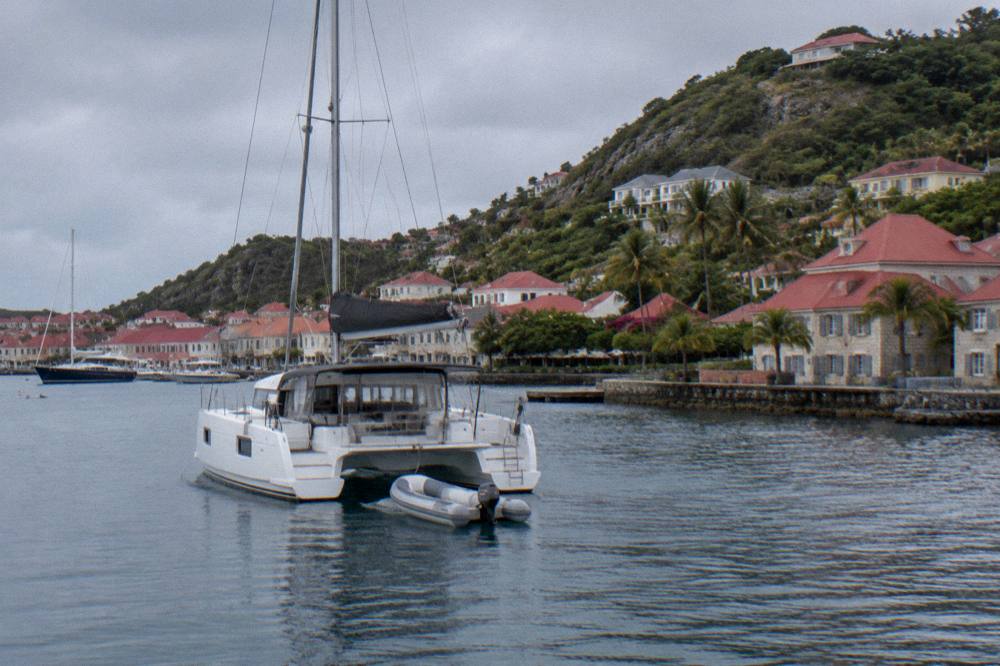
The roster is small enough that the honest packing advice is per-product. The same base list, swimsuit, quick-dry layers, towel, sunscreen, documents, cash, applies to all six, and then each listing adds or removes a line.
| Trip | Duration | Your bag adds | Your bag skips |
|---|---|---|---|
| Group day, Simpson Bay | about 7 hours | Towel, US$20 government fee cash | Lunch, snorkel gear, drinks, paddle boards |
| Full-day charter, Anse Marcel | about 8 hours | Towel, dock fee cash or card | Soda, snorkel gear, mat |
| Paper Boat charter | about 8 hours | Towel, lunch, gratuities cash | Beer, wine, soft drinks, gear, mat |
| Nikki Beach charter | 6 to 8 hours | Towel, customs clearance cash | Transfer, open bar, snacks, water |
| Overnight catamaran | 2 days | Towel, change of clothes, lunch money for Gustavia, tips | Breakfast, lunch, dinner |
| Sailboat charter | 7.5 hours | Towel, lunch | Open bar, snacks |
A note on the money line, plain arithmetic and labelled as such: five of the six listings are private charters priced per group, from $1,947.52 to $4,816.09. Split across their stated group maximums, the per-guest figure can land near the group day's per-person price. That does not change what you pack, but it changes whether the towel is the only difference that matters to your budget, and the private charter guide works those numbers properly.
Reviews are thin on this roster, and that is worth saying plainly. Only the Paper Boat 8-hour charter carries a rating with any standing: rated 5.0 across 17 reviews. The group day has 8 reviews at 5.0 and the others sit at 5 or fewer, pools too small to support any claim about popularity. Nothing you pack changes that; it just means the packing list, drawn from the listings, is more reliable than the review counts.
The Nikki Beach charter from Cole Bay, 6 to 8 hours for groups up to 15, is the one trip where you can pack lightest on consumables: round-trip private transfer, an open bar, beers, sodas, snacks and bottled water are all listed as included. What your bag carries instead is the towel, the layer for the return leg in the evening, and cash for the excluded customs clearance fees and gratuities.
Common Mistakes People Make Packing For A St Barts Boat Day
The four recurring mistakes are packing gear the boat already carries, forgetting the towel that every listing excludes, bringing one heavy cotton outfit instead of light quick-dry layers, and leaving documents in a hotel safe when the itinerary crosses a border between Sint Maarten and Saint Barthelemy. Each is fixed by reading the listing before the bag comes out.
The gear duplication is the most common and the most understandable. Snorkel sets are bulky and people who own them want to use them, but every listing on the roster includes snorkelling equipment. Unless you have a mask that fits you better than any rental, the space is better used by a second layer. The same goes for floating toys: noodles, mats, a lily pad and paddle boards are already on the boats that list them.
The towel gap deserves repetition because it is the one exclusion printed in black and white on the group day listing. A quick-dry towel packs to the size of a paperback and does the job of a beach towel that stays damp in your bag for the return crossing. Two towels per person is not excessive on a day with multiple swims and a windy channel both ways.
The border point catches people on charters out of Sint Maarten. The Nikki Beach listing excludes customs clearance fees, which tells you the itinerary involves clearing in and out, and the ferry operators require a passport for every passenger. A passport left at the hotel is the one packing mistake that can end a trip rather than merely dampen it. Documents go in the dry bag, on your person, every time.
| Mistake | The fix |
|---|---|
| Bringing your own snorkel set | Gear is included on all six listings |
| No towel | Quick-dry towel, one or two per person |
| Heavy cotton clothing | Quick-dry layers, a cover-up, a shell |
| Passport in the hotel safe | Dry bag, on your person |
| Forgetting fee cash | US$20 government fee, EUR dock fees, tips |
What Not To Bother Bringing To St Barts Waters
Leave behind dive gloves, collecting bags, any jet ski or propulsion-device expectation, fishing gear without checking permit rules, a dog, and more food than snacks for the charters that exclude lunch. The reserve bans gloves in the water, collecting, dogs and jet skis outright, and the listings already cover drinks and gear. Nothing on the roster requires you to bring equipment of any kind.
Some of this repeats the reserve section on purpose, because these are the items that cause problems rather than clutter. Gloves are banned in the water in the reserve's zones. Collecting coral, plants, shells or crustaceans is banned. Dogs are banned. Jet skis, seabobs and electric surfboards are banned, so no rental plan around St Barts exists to pack for. Fishing requires a permit in the zones where it is allowed at all, and no product on this roster is a fishing trip, so the rods stay home.
What remains is genuinely personal kit. For the island beyond the boat, the one day in St Barts itinerary shows where your bag needs to flex between dock and town, and the guide to the best beaches covers what a shore afternoon asks of your footwear. A small dry bag, your documents, sunscreen, a towel and two layers cover every listing on the roster.
The overnight catamaran from Grand Case, 2 days for up to 4 guests from $4,816.09 per group, is the one listing where the packing list doubles: a change of clothes for the evening, another for day two, and money for lunch in Gustavia, since breakfast, lunch and dinner are included but the Gustavia lunch is explicitly excluded. Crew tips of 15 to 20 percent are stated as customary, so the cash line on your budget is real.
Common Questions About St Barts Boat Tour Packing
What To Wear On A Boat Tour St Barts?
A swimsuit under quick-drying clothing, a light cover-up for the windy crossing, a hat with a retention cord, polarised sunglasses and slip-on shoes for the dock. Expect to be barefoot on deck most of the day, and bring a dry layer for the return leg.
Do I Need To Bring Towels On A St Barts Boat Tour?
Yes. Towels are explicitly excluded on the group boat day listing from Simpson Bay, and no listing on the roster names towels as included. A quick-dry towel per person, two for a full day with multiple swims, is the standard advice.
Is Snorkel Gear Included On St Barts Boat Tours?
On every listing in the current roster, yes. The group day includes snorkelling equipment along with paddle boards and life jackets in adult and child sizes, and each private charter lists snorkel gear among its inclusions.
Is Reef-Safe Sunscreen Required In St Barts?
The reserve's published rules do not mention a sunscreen rule. The reserve does ban gloves, collecting, feeding animals and touching protected species. Follow the operator's guidance on sunscreen and the reserve's published rules, and consider a rash guard for physical sun cover.
What Extra Fees Should I Pack Cash For?
The group day adds a US$20 per person government fee paid separately from the $189 per person price. The Anse Marcel charter excludes dock fees of 40 EUR per boat plus 5 EUR per guest, the Nikki Beach trip excludes customs clearance fees, and crew tips are customary, 15 to 20 percent on the overnight catamaran.
What Should I Do About Seasickness On The Crossing?
General practical advice only: use whatever remedy you normally use before departure rather than after the boat is moving, sit mid-ship, watch the horizon, stay hydrated and eat lightly beforehand. Sea state varies with conditions and no listing can promise it will be calm.