The Best Beaches In St Barts: A Beach-By-Beach Guide
St Barts packs more than a dozen beaches onto a small island, and they are not interchangeable. Some sit on boat tour routes, some sit inside a regulated marine reserve, and some are only worth the walk or the crossing if you know what you are getting.
Short answer
The beaches the tours actually visit are Colombier Beach and Ile Fourchue on the group boat day from $189 per person, plus a US$20 government fee, and St Jean Beach and Gustavia on the full-day private charter from $1,947.52 per group for up to 10. Other standouts include Gouverneur, Saline, Grand Cul-de-Sac and Flamands, each with a distinct character.
St Barts holds a remarkable number of beaches for an island. The exact count depends on how you treat the small coves, but the island's shoreline offers everything from long swimming beaches fringed by calm shallows to bare bays with no facilities at all, plus two famous strands that most day visitors only ever see from the deck of a boat. This guide walks through them one by one, names the beaches that the six bookable tours on this site actually stop at, and flags where the rules of the Réserve Naturelle change what you can do once your towel is down. And since nearly all of these beaches cost nothing to enjoy, the roundup of free activities around the island lists more ways to fill your days without spending a euro.
This site compares six tours, most of them charters from St Martin, and that shapes any beach conversation. Five are private charters priced per group between $1,947.52 and $4,816.09, and one is a per-person shared group day from $189 that runs 12 May to 31 August 2027 only. There is no jet ski tour, no kayak tour and no fishing charter to be had around this island, and the reason is legal rather than commercial: the marine reserve bans jet skis outright. The beaches, in other words, are the product here, and the boats are how you reach the best of them. For a broader look at the sailing options, see the guide to St Barts boat tours.
Which Are The Best Beaches In St Barts?
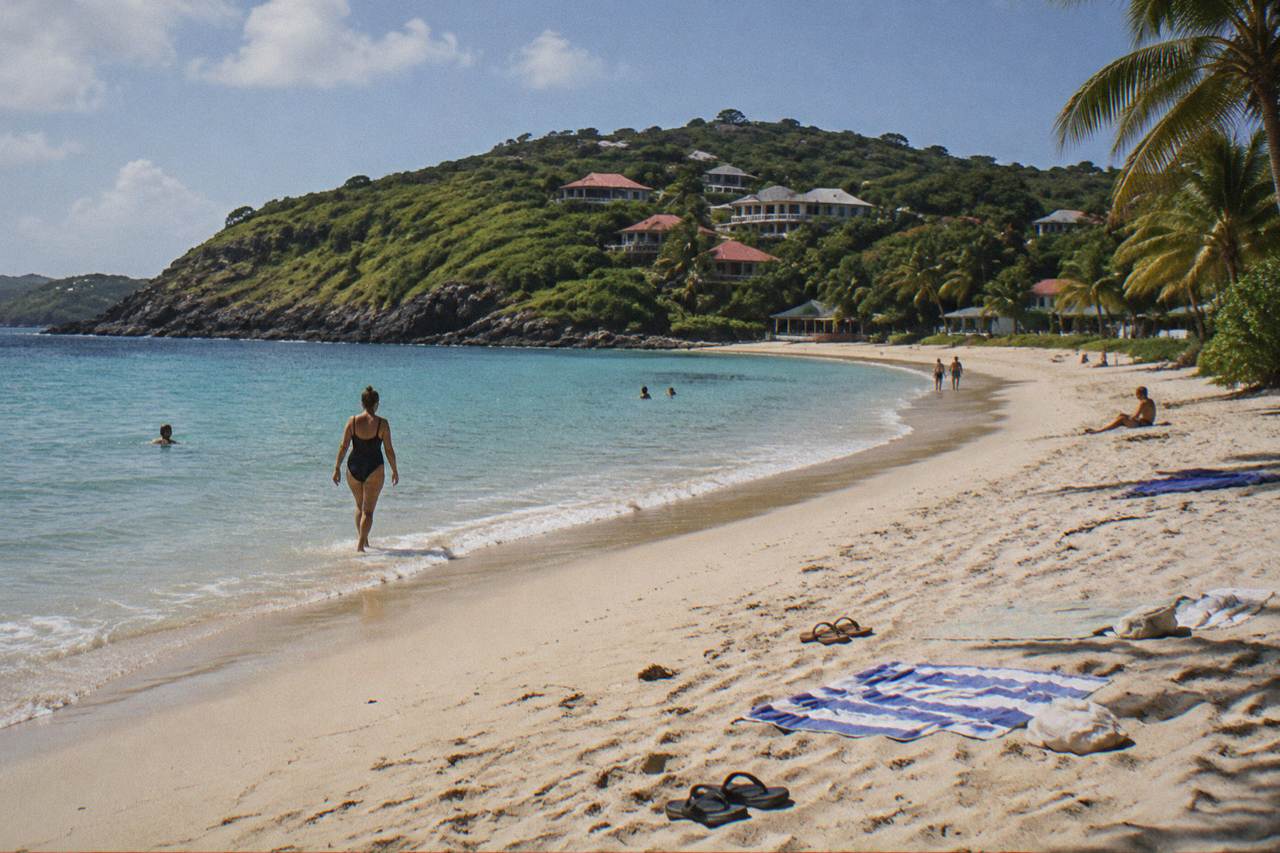
The short answer is that St Barts splits its beaches into three groups: strands inside the marine reserve, reached by boat or a hiking trail (Colombier Beach) or by boat alone (Ile Fourchue), the tour-route beaches around St Jean and Gustavia, and the road-accessible swimming and walking beaches such as Grand Cul-de-Sac, Gouverneur, Saline, Flamands, Marigot, Lorient and Corossol. There is no single "best" one, because the reserve beaches offer the clearest water, while the eastern and southern beaches offer convenience and calm swimming.
That three-way split matters more than any ranking, and it is the honest way to answer the question. The beach that is best for a family with small children, meaning shallow water and an easy arrival, is not the beach that is best for a snorkeller, and neither is the beach that is best for someone who wants a long walk with nobody on it. We compared the tour listings, the reserve authority's published zone rules and the island's geography, and this guide organises the beaches by how you actually reach them and what you can legally do there.
One caveat before the beach-by-beach detail. Verified research for this site could not confirm access details, parking rules or facilities for individual beaches, so none are stated here. What is confirmed is which beaches the tours stop at, which sit inside regulated reserve zones, and what those zones prohibit. Anything beyond that, from sunbed rentals to restaurant hours, needs checking on the day.
| Beach | Where it sits | How the tours reach it |
|---|---|---|
| Colombier Beach | North-west, inside a reserve zone | Stop on the group boat day from Simpson Bay |
| Ile Fourchue | Off the north-west coast, inside a reserve zone | Stop on the group boat day from Simpson Bay |
| St Jean Beach | North coast, beside the airport | Stop on the full-day private charter from Anse Marcel |
| Gustavia waterfront | The harbour capital | Stop on the full-day private charter from Anse Marcel |
| Grand Cul-de-Sac | East coast, lagoon side | Not a listed tour stop |
| Gouverneur, Saline, Flamands | South and west coasts | Not listed tour stops |
The rest of this guide takes those groups in order, starting with the beaches that give this island its reputation among sailors.
The Beaches You Can Only Reach By Boat Around St Barts
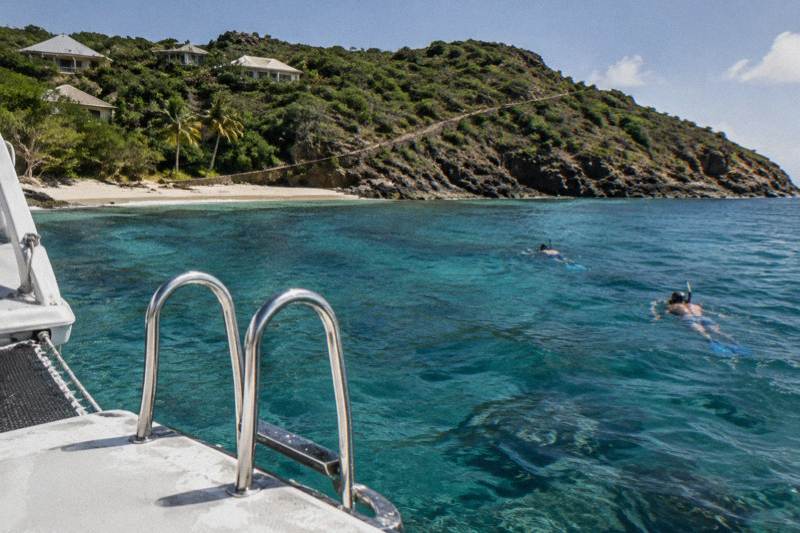
Colombier Beach and Ile Fourchue are the two beach destinations on this island that the tours treat as headline stops, and both sit inside simple protection zones of the Réserve Naturelle de Saint-Barthélemy, where collecting coral, plants, shells or crustaceans is prohibited, dogs are banned from the beaches, and boats are held to 5 knots. Colombier can also be reached on foot by a trail, while Ile Fourchue is effectively a boat destination.
Colombier Beach, on the island's north-west tip, is the name that comes up in almost every description of St Barts, and the reason is straightforward: the bay is part of the marine reserve's published zones, the reserve authority states that the baie de Colombier is one of its five regulated areas, and the combination of protection and limited road access keeps the bay quieter than the island's drive-up beaches. The reserve's rules for simple protection zones, which cover Colombier, prohibit taking anything from the sea or shore, ban dogs on the beaches, and forbid feeding animals or dumping waste. For swimmers and snorkellers the practical point is that the protected status describes what lives there as undisturbed; nothing about a sighting is ever guaranteed, and no honest listing promises one.
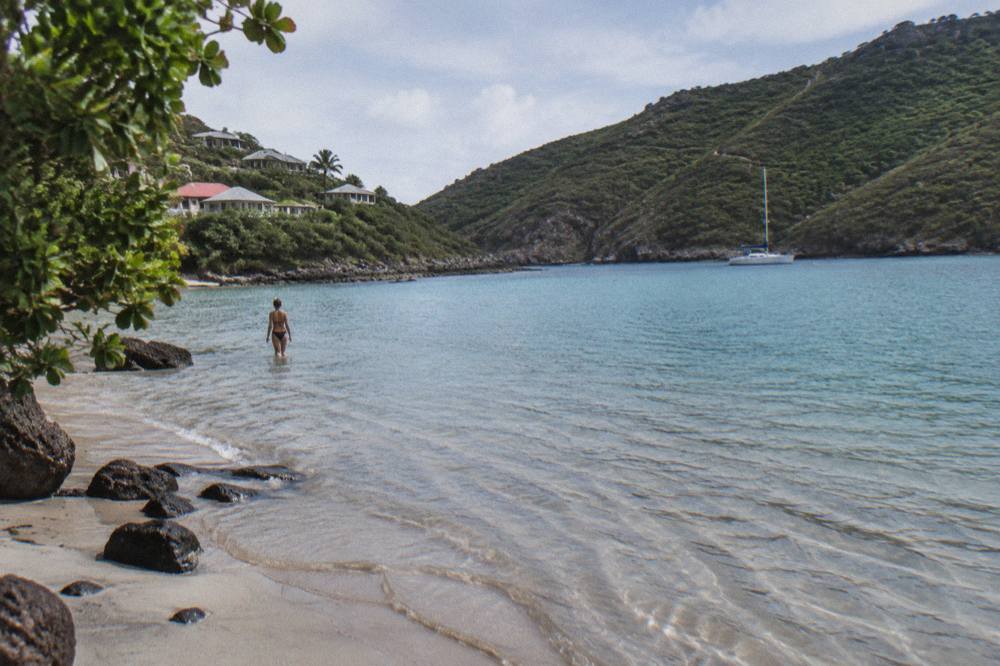
Ile Fourchue, the small island off the north-west coast, is the second stop on the same route. The reserve lists the baie de Fourchue alongside Colombier as a regulated zone, with the same prohibitions, and adds a specific vessel rule: boats over 25 m are not authorised in either bay, and anchoring is only allowed outside the ecological buoy zones. For visitors arriving on a tour, none of that paperwork matters except as atmosphere. What matters is that the buoy system exists, 40 ecological mooring buoys serve the two bays for vessels up to 20 tonnes and 25 m, and the boats that bring you here clip onto one rather than dropping anchor on the reef.
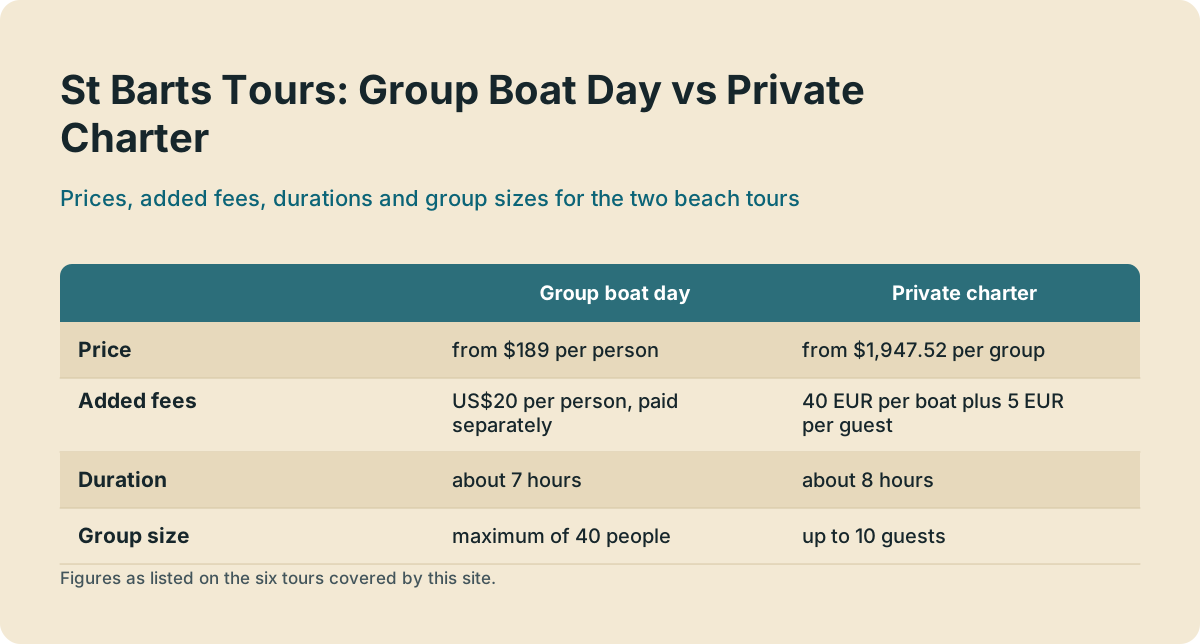
The tour that reaches both is the group boat day from Simpson Bay, Sint Maarten: the Gustavia, Colombier Beach and Ile Fourchue tour run by Boomerang Boat Charters, a shared group trip for a maximum of 40 people, about 7 hours long, meeting at the Dinghy Dock Bar in Simpson Bay. It runs from $189 per person plus a government fee of US$20 per person paid separately, and its listing includes lunch, alcoholic beverages, snorkelling equipment, paddle boards, life jackets in adult and child sizes, floating noodles and a lily pad, with gratuities, towels and private transportation excluded. The listing also states its operating dates plainly: 12 May to 31 August 2027. Outside that window the only way to these beaches on a booked boat is a private charter, which is one reason the private options in this roster stay busy year-round. More on the walk-in versus boat-in question appears in the site's piece on beaches you can only reach by boat.
A note on what "boat only" means for Colombier specifically, because it is only half true. A hiking trail reaches the bay over the headland from Flamands, and plenty of visitors walk it. What the trail does not offer is snorkel gear, lunch, paddle boards and a lift home, which is exactly what the boat day bundles. The trade is effort against convenience, and the boat also lets you stack Ile Fourchue into the same day, which no walk can do.
The Beaches On The St Barts Charter Route: St Jean And Gustavia
St Jean Beach and the Gustavia waterfront are the two named stops on the full-day private charter from Anse Marcel, the Love Boat Sxm tour priced from $1,947.52 per group for up to 10 guests over about 8 hours. St Jean is the island's most photographed strand, sitting beside the airport strip, while Gustavia is the harbour capital where the charter docks among the superyachts.
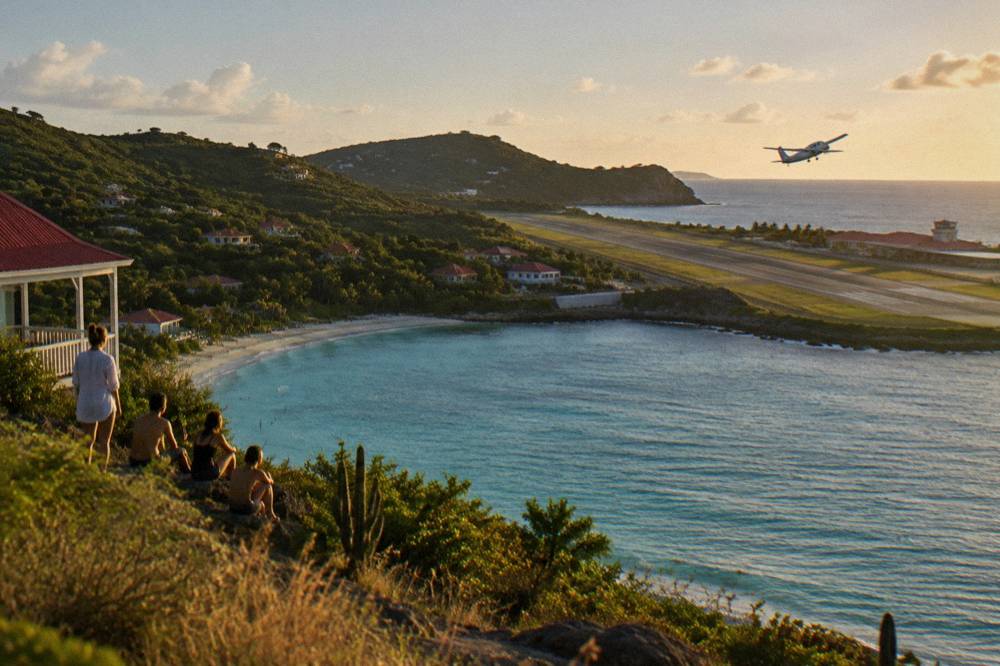
St Jean Beach, on the north coast, is the postcard. The bay curves between green headlands, and its fame owes much to the geography around it: the island's airport sits effectively at the end of the beach, so the strip of sand comes with low aircraft overhead on final approach. No runway details, aircraft limits or airport hours are confirmed in this site's verified research, so none are stated here beyond the name, which is itself verified: the airport is listed in OpenStreetMap as Aeroport de Saint-Barthelemy-Remy de Haenen on the Route de Colombier. The beach itself is public shoreline and one of the island's natural swimming bays, and for a charter group it works as the lunch-and-swim anchor of a day trip.
Gustavia is the second stop, and it is a different kind of beach destination entirely. The town wraps the harbour where the superyachts moor, and the waterfront is where the island's famous December and New Year crowds concentrate. It is also the port the group boat day visits first on its run from Sint Maarten, which makes it the one place on this island that every boat-based visitor sees regardless of which tour they book. A short walk from the harbour lies Shell Beach, a small cove that is part of the Gustavia experience; access details and facilities for it are not confirmed in this site's research, so treat that as a name to explore rather than a plan. The site's Gustavia guide covers the town in depth.
The charter that links the two, and the one to look at if St Jean and Gustavia are the priority rather than the reserve bays, is the Full-Day St Barth Private Charter Tour from Marina de l'Anse Marcel on the French side of Saint Martin. The listing includes soda, snorkelling equipment, fuel, a paddle board and a floating mat, and excludes dock fees at St Barthelemy, which run 40 EUR per boat plus 5 EUR per guest, and the slide. Three reviews at 5.0 sit on the listing, which is too small a pool for any rating claim. Free cancellation is listed.
For groups comparing the two routes, the difference is simple. The Anse Marcel charter gives you St Jean and Gustavia, the busy, photographed St Barts, with a private boat for up to 10. The group boat day from Simpson Bay gives you Gustavia plus the reserve beaches, Colombier and Ile Fourchue, at a per-person price. A party of six or more splits the charter to roughly the same per-guest figure as the group day costs per person, plain arithmetic on the listed numbers, though the charter price is a group price and is never per person.
Swimming Beaches On The St Barts Coast: Grand Cul-de-Sac, Marigot And Lorient
The east and north-east coast holds St Barts' calmest swimming beaches: Grand Cul-de-Sac, a shallow lagoon-side bay with reserve rules of its own, Marigot Bay and Lorient, both family-friendly strands with reef protection. None of the six tours on this site lists them as stops, so these are the beaches you reach under your own steam once you are on the island.
Grand Cul-de-Sac is the island's classic shallow-water beach, wrapping a lagoon on the east coast, and it carries more written rules than any other beach here because the reserve authority publishes specific lagoon regulations: within a 50 m strip kitesurfing is forbidden, snorkelling is limited to some areas with protected corals, anchoring is prohibited in places, the channel is capped at 3 knots, and fishing restrictions include barbless hooks, no bait, catch-and-release and a required permit, with shark and ray fishing banned outright. For a swimmer, none of that is an obstacle. It is the reason the lagoon stays the calm, protected water it is known for. Other pages covering the same trip are gathered on St Barthelemy Tours.
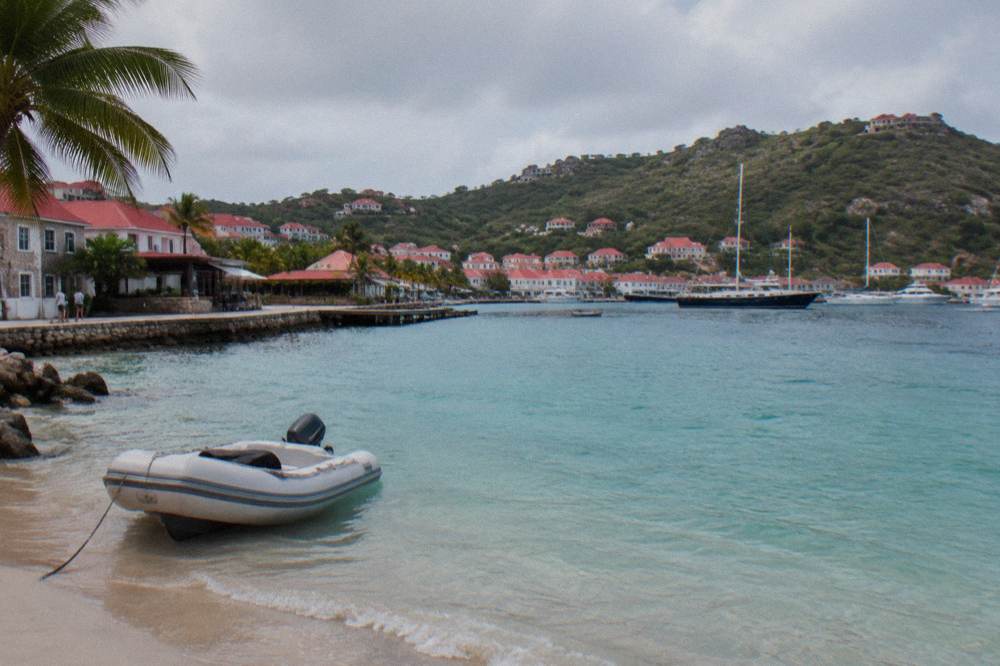
Marigot Bay and Lorient, on the north coast east of St Jean, are the quieter swimming options. Lorient in particular is a long strand with reef shelter, and both are the sort of beach where the draw is the water itself rather than any scene around it. As with every beach in this section, this site's verified research does not cover parking, facilities or access rules for these bays, so nothing specific is claimed beyond their position and character.
The practical connection to the tours is this: a day visitor arriving by boat will not swim at these beaches, because the boats run to Gustavia, St Jean, Colombier and Ile Fourchue. To swim at Grand Cul-de-Sac you need to be staying on the island, or visiting independently, which is the pattern behind the site's one day in St Barts itinerary. If a calm, shallow bay is the priority and a boat day is already booked, the honest move is to treat the boat day as the snorkelling and scenery half of the trip and the lagoon as the swimming half.
| Beach | Water character | Reserve rules that apply | On a tour route? |
|---|---|---|---|
| Grand Cul-de-Sac | Shallow, lagoon-sheltered | Lagoon-specific rules including the 50 m kitesurf ban and 3 knot channel | No |
| Marigot Bay | Reef-sheltered north-coast bay | General reserve rules where zones apply | No |
| Lorient | Long reef-protected strand | General reserve rules where zones apply | No |
| Colombier Beach | Open bay, reserve zone | Simple protection zone rules, 5 knot limit | Yes, group boat day |
| St Jean Beach | Curved swimming bay | Standard coastal rules | Yes, full-day charter |
One beach deserves a separate word: Corossol, on the west coast north of Gustavia, is a traditional fishing-village bay and often appears on lists of the island's quieter strands. Its character is documented widely enough to mention, though nothing about its facilities is confirmed here, so it joins the "explore under your own steam" list rather than the headline group.
The Wild Shores Of St Barts: Gouverneur, Saline And Flamands
The southern and western coast holds St Barts' big, bare beaches: Gouverneur, Saline and Flamands, wide strands with no development at the waterline and the island's most open feel. None is a tour stop, all are reached by road under your own arrangements, and Saline in particular is known as an unspoiled bay with a walk-in approach from the parking side.
Gouverneur is a broad crescent on the south coast, bounded by green hills, and it is the beach most often described as the island at its most cinematic. Saline, just east of it, sits behind a salt-pond lowland and rewards a short walk with one of the widest expanses of sand on the island; the reserve authority's published zone list does not name specific rules for Saline beyond the general coastal protections, and this site's research explicitly marks beach-specific rules for Saline as not confirmed, so none are invented here. Flamands, on the north-west coast facing the Atlantic side of the island, is the longest strand near Colombier's trailhead and shares that coast's greener, wilder water.
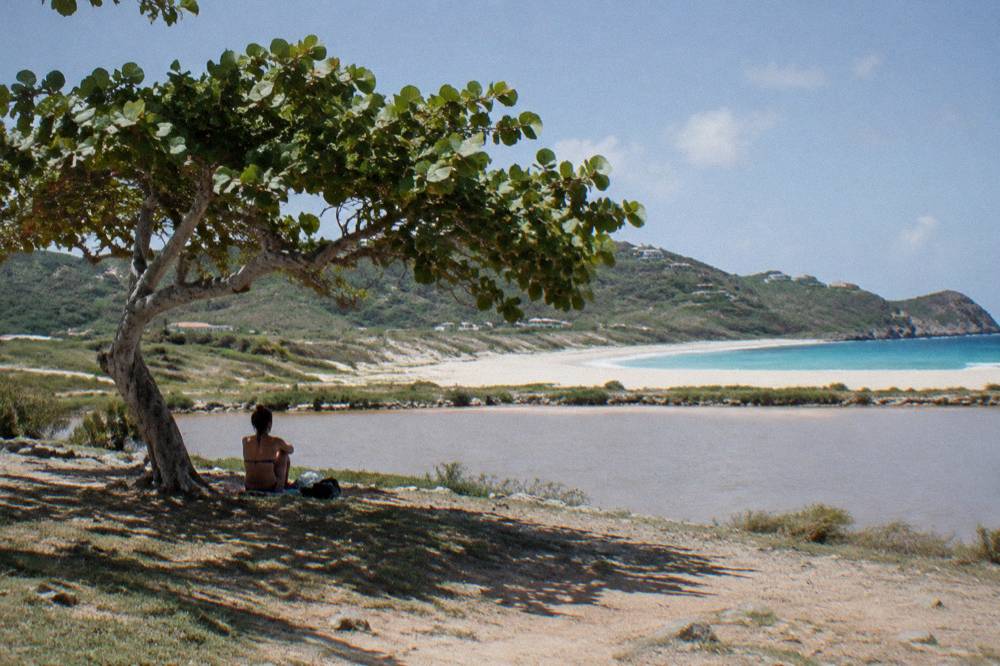
These three beaches share a character that is worth spelling out for visitors whose mental image of St Barts comes from the harbour. There is no marina, no superyacht row and no charter stop here. What there is space, walking, and the kind of shoreline where the wind is part of the experience. Swimmers should treat the Atlantic-facing bays with the respect open water always deserves; no sea-state or safety claims are made here, because conditions vary and nothing is guaranteed.
The other reason this coast matters to a beach guide is the annual calendar. Rainfall in St Barts is lightest in February, averaging 38.4 mm across the 1991 to 2020 Meteo-France normals, and heaviest in October at 135.6 mm, with the annual total at 891.3 mm. The Atlantic hurricane season runs 1 June to 30 November with a peak from mid-August to mid-October, per the NOAA National Hurricane Center's definition. The group boat day's window, 12 May to 31 August 2027, overlaps the start of that season, which is worth knowing without reading anything into it about any particular week's weather. The site's month-by-month breakdown covers this in more detail in St Barts weather by month.
What The Marine Reserve Rules Mean For St Barts Beaches
The Réserve Naturelle de Saint-Barthélemy imposes rules that apply on and around several of the beaches in this guide: a 5 knot speed limit in reserve waters, a ban on jet skis, seabobs, electric surfboards and any thermal or electric propulsion device, no taking coral, plants, shells or crustaceans, no gloves in the water, no dogs, no dumping and no feeding, and a ban on touching protected species such as turtles or coral.
Those rules, published by the French environment agency's reserve regulations page, are the single most useful piece of context for a beach visitor, because they explain both what the island's water protects and why certain products you might expect simply do not exist. There is no jet ski tour around St Barts on any platform this site covers because jet skis are banned in reserve waters, full stop. There is no seabob rental and no electric surfboard session for the same reason. Towed sports and underwater hull lighting are prohibited too.
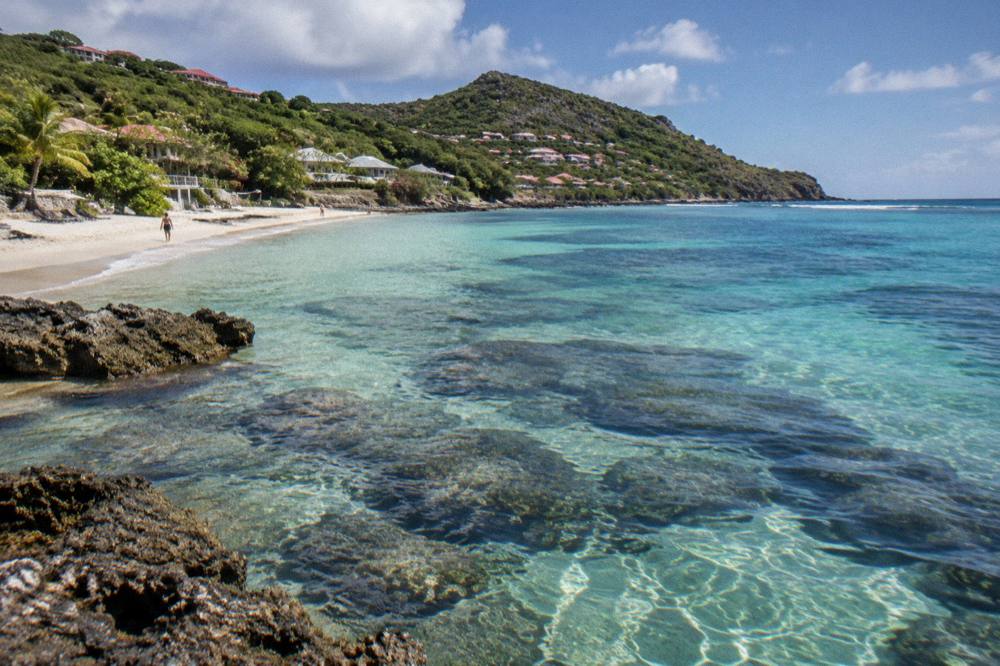
For swimmers and snorkellers the rules are simple courtesies backed by law. Do not stand on or touch coral, do not chase or touch a turtle if one appears, leave every shell where it lies, and skip the gloves, which are banned in the water because of what gloved hands historically did to reef life. The reserve also marks 23 dive sites inside its waters with a red square crossed by a white diagonal, and dive sites sit in simple protection zones where ecological buoys are limited to boats of 10 tonnes and 15 m, one boat per buoy, with stays capped at 2 hours 30. A beach visitor will not need most of that detail, but it is the framework that keeps the snorkelling at Colombier and Fourchue worth doing at all.
Visitors from the United States should also note the entry framework before assuming a beach day is paperwork-free. US citizens need a passport with at least six months' validity, and no visa is required for stays up to 90 days with an onward ticket, per the US State Department's French West Indies page, but check the official page before you travel rather than treating any visa rule as settled. And if you cross by ferry, Great Bay Express requires a passport for every passenger, with check-in closing 15 minutes before departure after an advised 45 minute arrival at Bobby's Marina in Philipsburg. None of these crossings or flights are sold on this site; the only bookable products here are the six boat tours.
Which St Barts Beach Should You Choose For Your Trip?
Match the beach to the trip, not the reverse: snorkellers and scenery-seekers should book the boat day that stops at Colombier and Ile Fourchue, groups who want St Jean and Gustavia should price the full-day private charter from $1,947.52 per group for up to 10, and anyone staying on the island should split their days between the calm lagoon at Grand Cul-de-Sac and the open strands of Gouverneur and Saline.
The decision usually comes down to which side of the island you want, and how you want to arrive. The chart below summarises the full spread.
| If you want | Best fit | How to book it |
|---|---|---|
| Reef snorkelling in a protected bay | Colombier Beach and Ile Fourchue | Group boat day, from $189 per person plus US$20 fee |
| The postcard beach and the harbour town | St Jean and Gustavia | Full-day charter, from $1,947.52 per group up to 10 |
| A private boat on the crossing itself | Open route, your call | Paper Boat charter, from $2,100 per group up to 8 |
| Calm, shallow swimming with children | Grand Cul-de-Sac | Stay on the island; not a tour stop |
| Space, walking and open shoreline | Gouverneur, Saline, Flamands | Own arrangements on the island |
Budget is where the comparison sharpens. The per-person boat day is the only product on the roster priced per person rather than per group, at $189, and it only runs in its 2027 summer window. The five private charters range from $1,947.52 per group up to 10 guests on the Love Boat Sxm full-day charter, through $2,000 per group up to 8 on the Paper Boat sailboat charter and $2,100 per group up to 8 on the Paper Boat motor charter, to $4,816.09 per group up to 4 on the Zephyr overnight catamaran. Split across the stated maximums, several of the charters work out near the group day's per-guest cost, which is arithmetic, not a promise, but it explains why families often skip the shared boat entirely.
The Paper Boat motor charter deserves its own word in a beach context, because it is the roster's most flexible private option for a beach-first day: about 8 hours, up to 8 guests from Marina Anse-Marcel, unlimited beer, wine and soft drinks, snorkelling equipment and a giant floating mat on the listing, lunch and gratuities excluded, pickup offered, free cancellation listed, and the one rating on this roster strong enough to quote, 5.0 across 17 reviews. Where it stops is your conversation with the operator rather than a fixed route, which is exactly what some beach planners want.
For a party that wants the beaches and the nightlife in one package, the Nikki Beach charter from Sint Maarten is the roster's luxury day: 6 to 8 hours for a group of up to 15 from $2,120 per group, with round-trip private transfer, an open bar, beers, sodas, snacks and bottled water on the listing, gratuities and customs clearance fees excluded, and free cancellation listed. Five reviews at 4.8 sit on the listing, too few for a rating claim, but the format is distinct: it is the one product here aimed squarely at a celebration day rather than a snorkelling day.
And for visitors who fall for the island on a day trip and want the beaches at dawn rather than at midday, the Zephyr overnight catamaran is the only product on this roster that keeps you here: 2 days and 1 night for up to 4 guests from Grand Case, from $4,816.09 per group, with breakfast, lunch and dinner included and lunch in Gustavia plus crew tips of 15 to 20 percent excluded, with a full refund up to 6 days in advance. Waking up anchored off a reserve bay is the one itinerary no ferry day trip can copy.
Whichever beach lands at the top of your list, the honest summary is this: the reserve beaches are the reason to take a boat, St Jean and Gustavia are the reason to take a charter, and the rest of the island's strands are the reason people who come for a day start planning a week. To see the full range of St Barts boat tours side by side, the comparison guide breaks down all six listings by price and format.
Common Questions About St Barts Beaches
Which Are The Best Beaches In St Barts?
Colombier Beach and Ile Fourchue for protected-bay snorkelling reached by boat, St Jean Beach and Gustavia for the charter route, and Grand Cul-de-Sac, Gouverneur, Saline, Flamands, Marigot and Lorient for road-accessible swimming and walking. There is no single best; the reserve beaches and the swimming beaches serve different trips.
Can You Reach Colombier Beach Without A Boat?
Yes, a hiking trail reaches Colombier over the headland from the Flamands side. Ile Fourchue, by contrast, is effectively a boat destination. The group boat day visits both, from $189 per person plus a US$20 government fee, running 12 May to 31 August 2027.
Are Dogs Allowed On St Barts Beaches?
Not on the beaches inside the marine reserve's protection zones, including Colombier and Fourchue, where the reserve authority's published rules ban dogs on the beaches. Outside the reserve zones, check locally, as this site's verified research does not cover island-wide dog rules.
Why Are There No Jet Ski Tours In St Barts?
The Réserve Naturelle bans jet skis, seabobs, electric surfboards and any thermal or electric propulsion device in its waters. No such product exists on the booking platforms this site covers, and the ban is the reason.
Can You Take Shells Or Coral Home From St Barts Beaches?
No. The reserve rules prohibit taking coral, plants, shells or crustaceans from its zones, and touching protected marine species such as turtles or coral is banned. Leave everything where it lies, including in the bays the tours visit.
Which St Barts Beaches Do The Boat Tours Actually Stop At?
The group boat day from Simpson Bay stops at Gustavia, Colombier Beach and Ile Fourchue. The full-day private charter from Anse Marcel stops at St Jean Beach and Gustavia. No tour on this site lists Grand Cul-de-Sac, Gouverneur, Saline or Flamands as stops.